
How we can reach to Digital Marketing Assistant ?

 To reach or hire a digital marketing assistant, you can follow these steps:

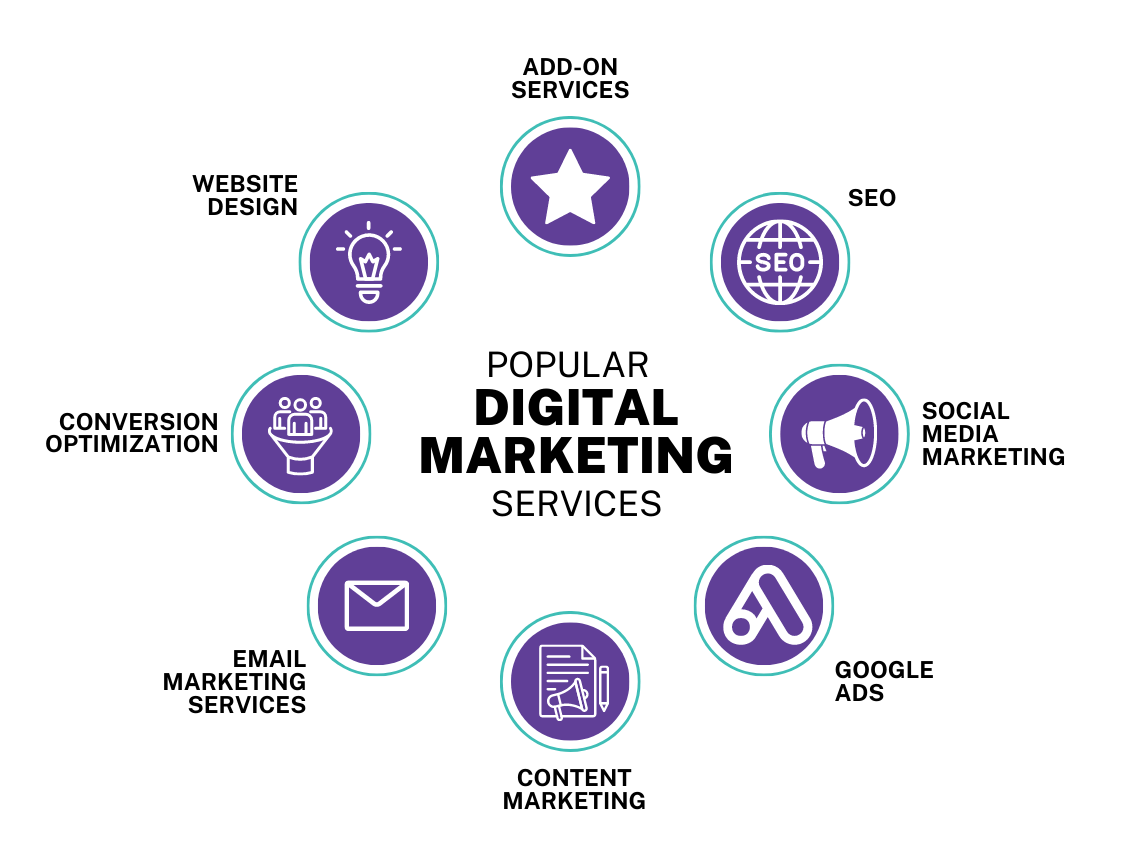
1. Define Your Needs: Clearly outline the tasks and responsibilities you want the assistant to handle (e.g., social media management, SEO, content creation, email marketing). This helps in finding the right fit for your business needs.

2. Job Posting: Post job listings on platforms like indeed, glass-door, or specialized job boards in digital marketing  (like we work remotely or remote OK). Be sure to include the skills & experience required such as familiarity with digital marketing tools, content management systems, & analytics.

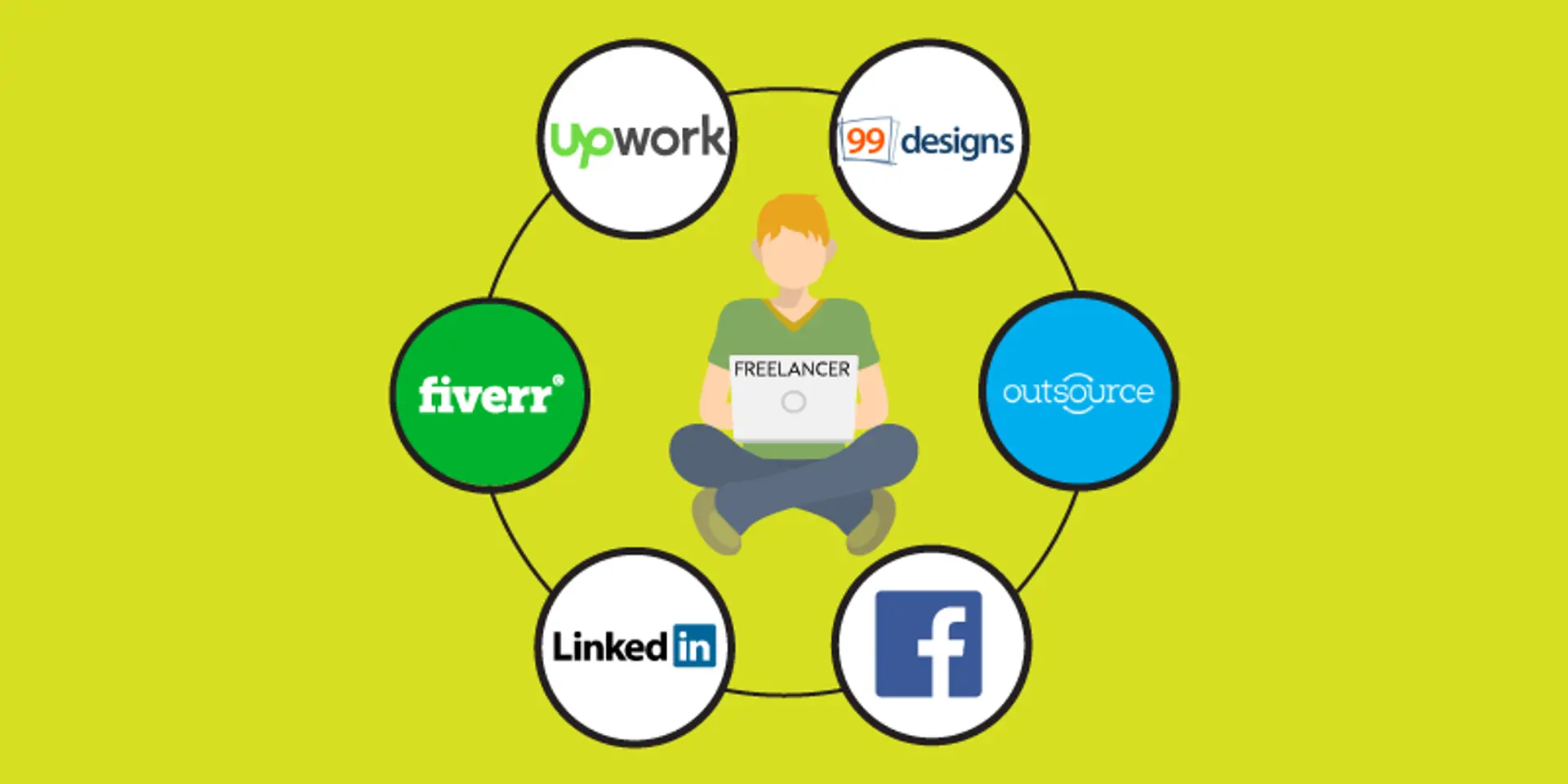
3. Freelance Platforms: If you're looking for more flexible or short-term help, freelance platforms like up-work,  fiver, & freelance can connect you with skilled digital marketing assistants from around the world.


4. Digital Marketing Agencies: If you're looking for a more comprehensive solution, you can hire a digital marketing agency that may offer assistants or entire teams to manage your campaigns.


5. Internships or Entry-Level Programs: If you're open to training someone, internships or entry-level positions can be a good way to find motivated individuals eager to learn & grow within your business.

By taking these steps, you'll be able to find a digital marketing assistant who aligns with your needs, whether you're looking for full-time, part-time, or freelance help.

Comments

Popular posts from this blog

Can you explain the importance of audience segmentation?

  Audience segmentation is crucial because it allows businesses, marketers, & content creators to tailor their strategies to specific groups of people rather than trying to appeal to a broad, generalized audience. This leads to more effective marketing efforts, higher engagement, & better customer experiences. Here are few key reasons why audience segmentation is important: 1. Improved Targeting:- By understanding the characteristics, behaviors, & needs of different segments, you can create more relevant messages & offers that resonate with each group. 2. Increased Engagement:- Tailored content speaks directly to the interest & pain points of specific groups, leading to higher engagement rates, whether it's through better click-through rates or more active participation. 3. Better Resource Allocation:- Segmentation helps prioritize resources by focusing efforts on the most promising or profitable groups, optimizing your marketing budget. 4. Personalization:- Co...

What is the difference between paid & organic search?

 The difference between paid and organic search lies in how they appear in search engine results and how they are acquired: 1. Paid Search :- . Definition : Paid search refers to ads that appear on search engine results pages (SERPs) when advertisers pay to display their websites for specific keywords. . How it works : Advertisers bid on keywords, & their ads show up when those keywords are searched. These ads usually appear at the top or bottom of the SERPs, and they are labeled as "Ad." . Cost : Advertisers pay for each click on their ad (pay-per-click, or PPC) or based on impressions (cost-per-thousand impressions, CPM). . Example : Google Ads, Bing Ads. 2. Organic Search :- . Definition : Organic search refers to the natural listing of websites on a search engine results page that appear based on their relevance to the search query, not paid placement. . How it works : Websites are ranked based on SEO (Search Engine Optimization) factors like the quality of their con...

How do you create & manage email marketing campaigns?

Creating and managing email marketing campaigns involves several key steps to ensure effectiveness & engagement with your audience. Here's a general guide to help you: 1. Set clear goals:- .Identify objectives: What do you want to achieve? (e.g., lead generation, sales, brand, awareness). Define KPIs(Key Performance Indicators): open rates, click-through rates, conversion rates, etc. 2. Build & Segment Your Email List:- . Gather Contacts: Use opt in forms on your websites, social media, or lead magnets to collect email addresses. .Segment your list: Categorize contacts based on demographics, past purchases, behavior, or interests to spend personalized & relevant content. 3. Choose an Email Marketing Platform:- . Popular platforms: Mailchimp, HubSpot, constant contact, or ConvertKit. . These platforms offer tools for creating, automating, & analyzing email campaigns. 4. Design the Email:- . Use Templates: Choose a template that matches your campaign style, or crea...