
What is digital marketing assistant and Why it is used for ?

 A digital marketing assistant is a role that involves helping a business or team with various digital marketing tasks. These tasks can include content creation, social media management, email campaigns, search engine optimization(SEO), data analysis, & more. The goal of a digital marketing assistant is to support the marketing team by handling routine tasks & helping ensure marketing efforts are running smoothly. They often use various digital tools & platforms to manage & optimize campaigns across websites, social media, & email.
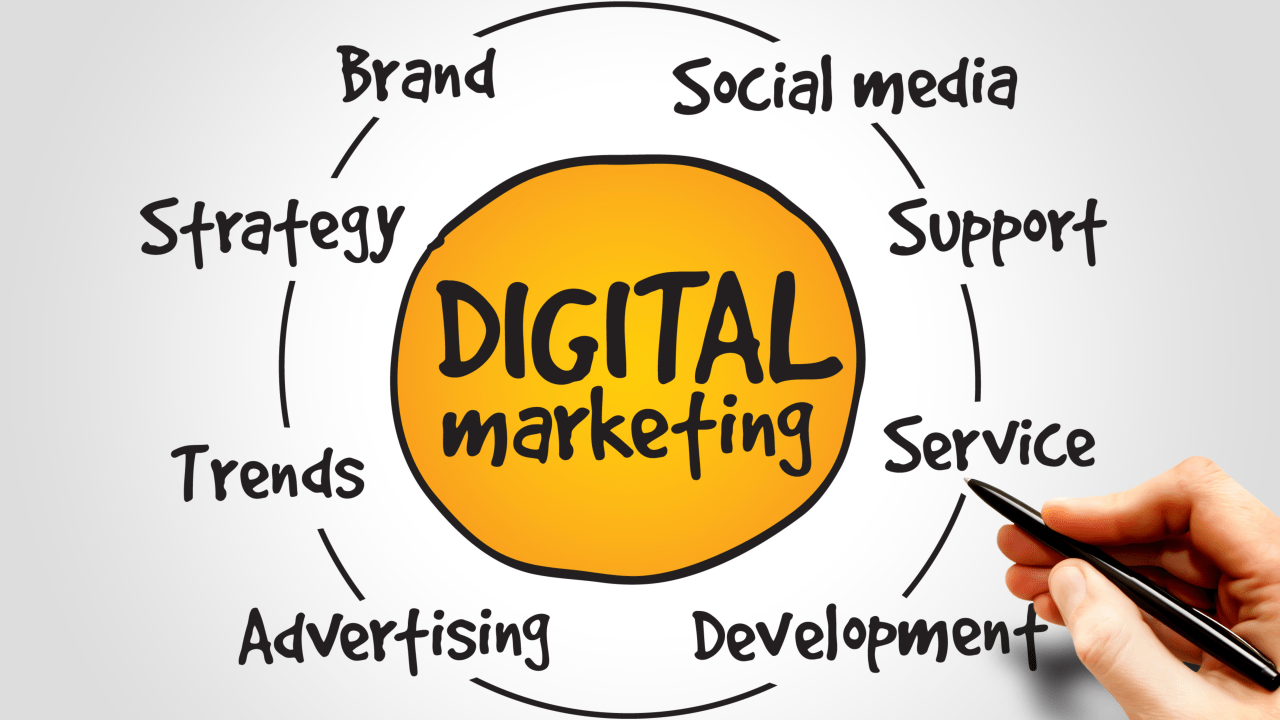
A digital marketing assistant is used to streamline & support the execution of digital marketing strategies. Businesses leverage this role to:

1. Save Time: Handling repetitive tasks like posting on social media, updating content, or monitoring metrics allows the marketing team to focus on more strategic efforts.

2. Increase Efficiency: With a digital marketing assistant managing day-to-day tasks, campaigns can be more effectively tracked & adjusted in real-time.

3. Enhance Marketing Performance: They can help implement strategies, optimize processes, & gather insights from analytics to improve campaigns.

4. Manage Multiple Channels: Many businesses run campaigns across various digital platforms (like email, social media, & search engines). A digital marketing assistant helps ensure all channels are aligned and performing well.


5. Improve Organization: They help manage schedules, track deadlines, & ensure that marketing content & campaigns are executed on time.

In essence, it's about boosting productivity, supporting marketing strategies, & driving better results through the use of digital tools and tactics.

Comments

Popular posts from this blog

Can you explain the importance of audience segmentation?

  Audience segmentation is crucial because it allows businesses, marketers, & content creators to tailor their strategies to specific groups of people rather than trying to appeal to a broad, generalized audience. This leads to more effective marketing efforts, higher engagement, & better customer experiences. Here are few key reasons why audience segmentation is important: 1. Improved Targeting:- By understanding the characteristics, behaviors, & needs of different segments, you can create more relevant messages & offers that resonate with each group. 2. Increased Engagement:- Tailored content speaks directly to the interest & pain points of specific groups, leading to higher engagement rates, whether it's through better click-through rates or more active participation. 3. Better Resource Allocation:- Segmentation helps prioritize resources by focusing efforts on the most promising or profitable groups, optimizing your marketing budget. 4. Personalization:- Co...

What is the difference between paid & organic search?

 The difference between paid and organic search lies in how they appear in search engine results and how they are acquired: 1. Paid Search :- . Definition : Paid search refers to ads that appear on search engine results pages (SERPs) when advertisers pay to display their websites for specific keywords. . How it works : Advertisers bid on keywords, & their ads show up when those keywords are searched. These ads usually appear at the top or bottom of the SERPs, and they are labeled as "Ad." . Cost : Advertisers pay for each click on their ad (pay-per-click, or PPC) or based on impressions (cost-per-thousand impressions, CPM). . Example : Google Ads, Bing Ads. 2. Organic Search :- . Definition : Organic search refers to the natural listing of websites on a search engine results page that appear based on their relevance to the search query, not paid placement. . How it works : Websites are ranked based on SEO (Search Engine Optimization) factors like the quality of their con...

How do you create & manage email marketing campaigns?

Creating and managing email marketing campaigns involves several key steps to ensure effectiveness & engagement with your audience. Here's a general guide to help you: 1. Set clear goals:- .Identify objectives: What do you want to achieve? (e.g., lead generation, sales, brand, awareness). Define KPIs(Key Performance Indicators): open rates, click-through rates, conversion rates, etc. 2. Build & Segment Your Email List:- . Gather Contacts: Use opt in forms on your websites, social media, or lead magnets to collect email addresses. .Segment your list: Categorize contacts based on demographics, past purchases, behavior, or interests to spend personalized & relevant content. 3. Choose an Email Marketing Platform:- . Popular platforms: Mailchimp, HubSpot, constant contact, or ConvertKit. . These platforms offer tools for creating, automating, & analyzing email campaigns. 4. Design the Email:- . Use Templates: Choose a template that matches your campaign style, or crea...